


Common Pressure Washer Spray Gun Problems (and How to Fix Them)
Your spray gun is one of the most used and most overlooked components in your pressure washing setup. When it starts to fail, you feel it immediately. Loss of pressure, leaks, or a sticky trigger can slow your workflow and impact cleaning results.
The good news is that most spray gun issues are easy to diagnose and fix. Understanding what causes these problems can help you extend the life of your equipment and avoid unnecessary downtime.
Why Spray Gun Performance Matters
A properly functioning spray gun controls flow, maintains pressure, and ensures safe operation. When something goes wrong, it affects the entire system.
Common issues like internal wear, poor seals, or low-quality components can lead to:- Pressure inconsistencies
- Operator fatigue
- Water leaks
-
Reduced cleaning efficiency
1. Spray Gun Leaking from the Handle or Connections
What Causes It: Leaks are one of the most common spray gun issues. They typically come from worn O-rings, loose fittings, or internal seal failure.
You may notice water dripping from the inlet, outlet, or even the trigger housing.
How to Fix It: Start by checking all threaded connections and quick connects. Tighten any loose fittings and inspect O-rings for wear or damage.
If the leak is internal, a repair kit can often solve the issue. For example, the MTM Hydro SGS28 offers a repair kit (Part #41.5003), allowing you to rebuild the gun rather than replace it entirely.
2. Loss of Pressure or Weak Spray
What Causes It: Low pressure at the spray gun can come from several sources, including internal valve wear, debris buildup, or flow restrictions.
Inside the spray gun, components like the valve and ball mechanism control water flow. When these wear down, pressure drops.
How to Fix It: Flush the system to remove debris and check your nozzle and fittings for blockages. If the issue continues, the internal valve may be worn.
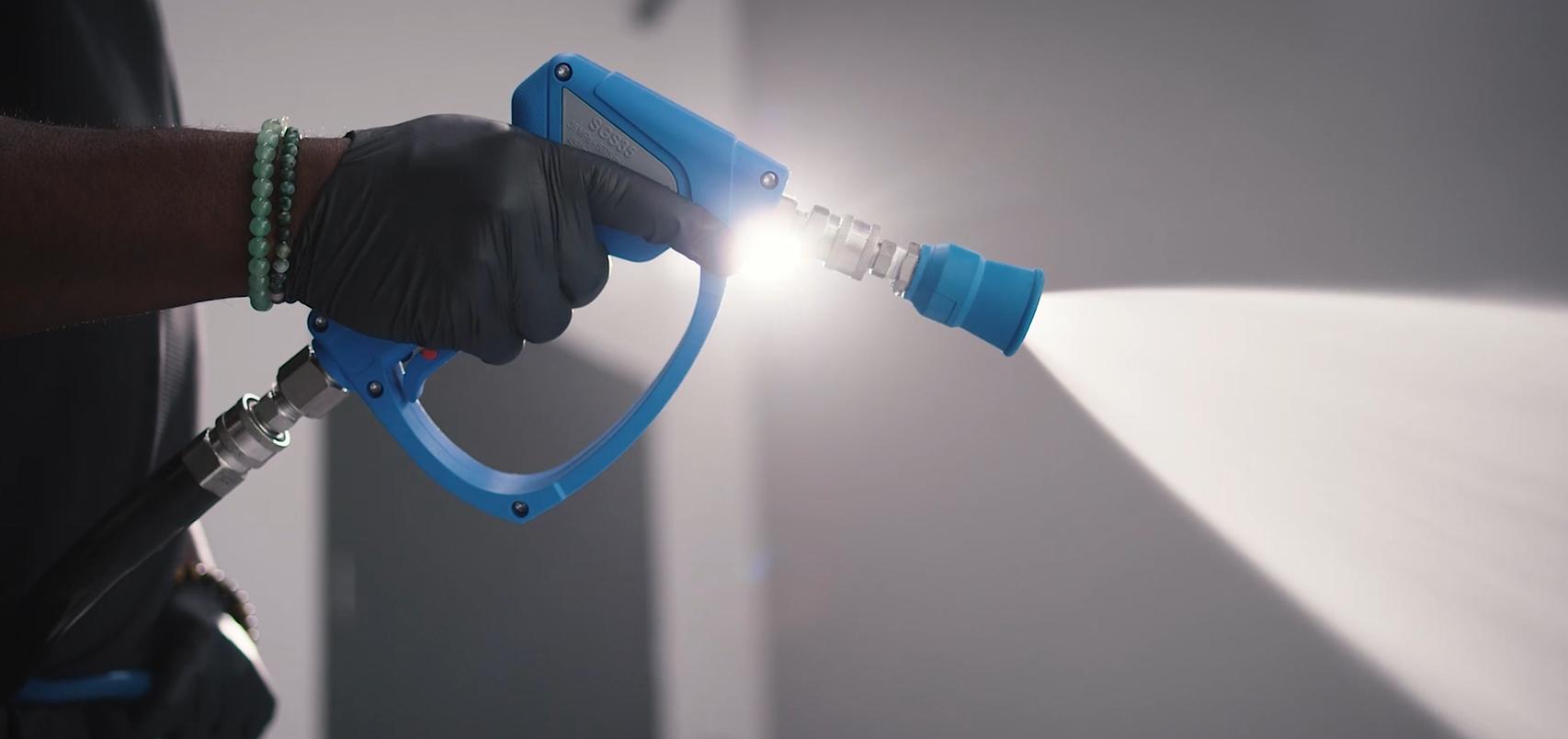
Upgrading to a spray gun with a plated brass valve and ceramic ball, such as the MTM Hydro SGS35, helps maintain consistent pressure and improves resistance to wear and corrosion.
3. Stiff or Hard-to-Pull Trigger
What Causes It: Trigger fatigue is a common complaint, especially during long jobs. Lower-quality spray guns often have heavier trigger pull due to basic internal spring design.
Over time, wear and buildup can also make the trigger harder to engage.
How to Fix It: Cleaning the internal components may help temporarily, but the best long-term solution is upgrading to a spray gun designed for comfort.
The MTM Hydro SGS28 features an Easy Pull trigger that reduces hand fatigue, making it easier to operate during extended cleaning sessions. For professionals running daily jobs, this can significantly improve efficiency and reduce strain.
4. Hose Kinking and Poor Maneuverability
What Causes It: If your hose constantly twists or kinks during use, the issue is often at the spray gun connection point. Standard spray guns without swivels force the hose to rotate with your movements.
How to Fix It: A spray gun with an integrated swivel solves this problem.
The MTM Hydro SGS28 includes a stainless steel live swivel that allows the hose to rotate under pressure. This reduces kinking, improves maneuverability, and keeps your workflow smooth, especially when working around vehicles or large surfaces.
The SGS35 also features a low-profile stainless live swivel, giving you greater control and flexibility during use.
5. Spray Gun Feels Bulky or Uncomfortable
What Causes It: Ergonomics play a major role in daily performance. Older or lower-end spray guns often have poor weight distribution and minimal grip support.
How to Fix It: Switching to a modern ergonomic design can make a major difference.
The MTM Hydro SGS35 is designed with Easy Hold technology and reinforced housing that supports the internal pipe while protecting your hand. Its shockproof ribbed construction improves durability and comfort, especially in high-use environments.
For operators working in regulated environments, the SGS35’s blue food-grade housing is also suitable for OSHA and FDA-regulated facilities.
6. Corrosion and Chemical Damage
What Causes It: Exposure to chemicals, especially in detailing and soft washing applications, can wear down internal components over time.
Brass and lower-grade materials may corrode, leading to reduced performance and eventual failure.
How to Fix It: Choosing a spray gun with corrosion-resistant materials is key.
Both the SGS28 and SGS35 are built with high-quality internal components designed to handle demanding environments. Features like plated brass valves and ceramic balls improve chemical resistance and extend the life of the gun.
Routine rinsing after chemical use also helps prevent buildup and prolongs performance.
When to Repair vs. Replace
Not every issue requires a full replacement. If your spray gun is relatively new and the issue is limited to seals or internal wear, a repair kit can restore performance.
However, if you are experiencing multiple issues such as leaks, pressure loss, and poor ergonomics, upgrading to a professional-grade spray gun is often the better investment.
Modern spray guns like the SGS28 and SGS35 are designed to improve efficiency, reduce fatigue, and deliver consistent performance across a wide range of applications.
Final Thoughts
Spray gun issues are common, but they do not have to slow you down. By identifying problems early and using the right components, you can keep your system running efficiently.
Whether you are replacing worn seals or upgrading to a more advanced spray gun, investing in quality equipment pays off in performance, durability, and ease of use.
If your current spray gun is holding you back, it may be time to upgrade to a solution built for professional results.