

How to Safely Wash a Roof Without Damaging Shingles: A Professional Soft Wash Guide
Roof cleaning requires more than the right chemicals. Learn why professional contractors rely on soft washing to safely remove algae, moss, and organic growth without damaging asphalt shingles or reducing the life of the roof.
Black streaks, moss, and algae are among the most common complaints homeowners have about their roofs. While these stains may seem like a cosmetic issue, they are often caused by organic growth that can retain moisture, reduce curb appeal, and contribute to premature roof deterioration if left untreated.
One of the biggest misconceptions about roof cleaning is that a pressure washer can simply blast away the stains. In reality, high-pressure cleaning can permanently damage asphalt shingles by removing their protective granules, forcing water beneath the roofing system, and shortening the roof's lifespan.
Professional roof cleaning requires specialized equipment, proper chemical handling, and safe working practices. Because of the risks involved, roof cleaning should only be performed by trained professionals and experienced contractors. If you're adding roof cleaning to your service offerings or looking to improve your soft washing process, understanding the proper techniques and equipment is essential.
Why Soft Washing Is the Industry Standard
Unlike concrete or masonry, asphalt shingles are designed to shed water, not withstand high-pressure cleaning.
Professional roof cleaners use soft washing, a cleaning method that relies on specialized cleaning solutions applied at low pressure. Rather than depending on force, the cleaning solution breaks down algae, mold, mildew, moss, and lichen so they can be rinsed away safely.
Soft washing offers several advantages:
- Helps preserve asphalt shingles by avoiding excessive pressure
- Removes algae, mold, mildew, and moss at the source
- Restores the roof's appearance
- Reduces the likelihood of premature shingle wear
- Provides longer-lasting cleaning results when paired with the proper cleaning chemistry
For contractors, soft washing has become the preferred method because it delivers consistent results while helping protect one of the homeowner's largest investments.
Inspect the Roof Before You Begin
Every successful roof cleaning project starts with a careful inspection.
Before applying any cleaning solution, look for:
- Missing or damaged shingles
- Loose flashing
- Damaged vent boots
- Heavy moss buildup
- Clogged gutters
- Areas with excessive debris accumulation
Documenting these conditions before cleaning helps identify existing damage and ensures the customer understands any issues unrelated to the cleaning process.
Nearby landscaping should also be protected. Pre-wetting plants and thoroughly rinsing them afterward helps minimize the impact of roof cleaning chemicals on surrounding vegetation.
Proper Chemical Application Is Critical
One of the most important factors in successful roof cleaning is applying cleaning solution evenly across the surface.
Dedicated soft wash systems are designed specifically for this purpose. They deliver the proper flow rate and application pattern while maintaining the correct chemical concentration throughout the job.
For very small spot treatments, equipment testing, or limited cleaning applications, accessories such as the patented MTM Hydro PF22 Foam Cannon can provide controlled application of compatible cleaning solutions.
However, these accessories should not replace a dedicated soft wash system when cleaning an entire roof. Professional contractors should always use equipment specifically designed for large-scale roof cleaning applications.
After applying the cleaning solution, allow sufficient dwell time according to the chemical manufacturer's recommendations. Rushing the process often results in uneven cleaning and unnecessary repeat applications.
Choose the Right Soft Wash Nozzle
Nozzle selection plays a major role in roof cleaning performance.
The wrong nozzle can reduce chemical coverage, waste solution, or make it difficult to reach higher roof sections safely.
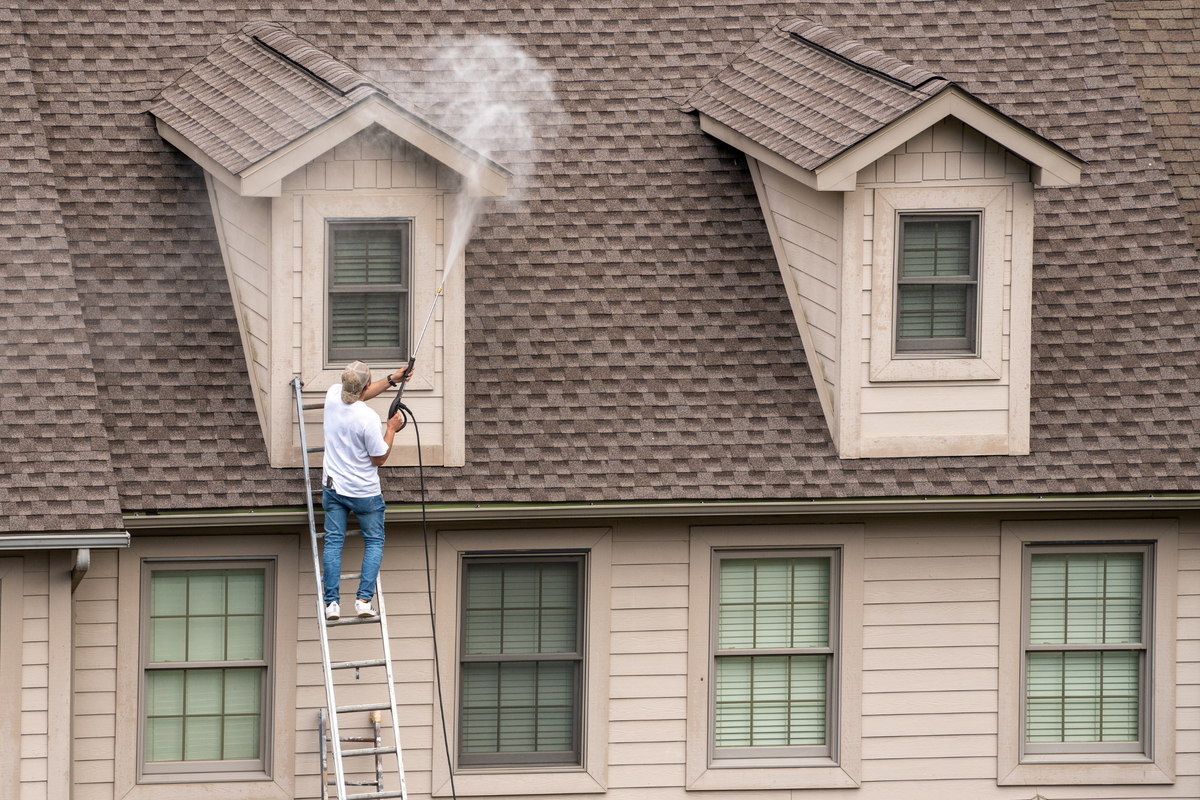
Purpose-built options like the MTM Hydro Soft Wash Twist Nozzle are designed specifically for soft washing applications. They help contractors reach roof peaks, dormers, and second-story elevations while maintaining low operating pressure and consistent application.
For larger residential properties and commercial buildings, pairing the appropriate nozzle with a properly configured soft wash system improves both efficiency and chemical coverage.
Choosing the right nozzle also helps reduce overspray and provides better control when working around landscaping, gutters, and architectural features.
Let Chemistry Do the Work
One of the biggest mistakes inexperienced operators make is trying to compensate for poor cleaning results by increasing pressure.
In soft washing, pressure is not what produces the clean roof.
Instead, successful roof cleaning depends on:
- Proper chemical concentration
- Even application
- Adequate dwell time
- Appropriate rinsing techniques
Allowing the cleaning solution to work as intended produces better results while protecting delicate roofing materials.
Maintain Your Equipment
Roof cleaning chemicals can be demanding on equipment, making routine maintenance especially important.
After each job:
- Flush chemical application equipment thoroughly with clean water
- Inspect nozzles for wear or buildup
- Check O-rings and plumbing connections
- Replace worn seals when necessary
- Store equipment according to the manufacturer's recommendations
Routine maintenance not only protects your equipment but also helps ensure consistent chemical application from one job to the next.
Common Roof Cleaning Mistakes
Even experienced contractors know that attention to detail matters during roof cleaning.
Avoid these common mistakes:
- Using high pressure on asphalt shingles
- Skipping the roof inspection
- Applying chemicals unevenly
- Not allowing adequate dwell time
- Using worn or clogged nozzles
- Failing to protect surrounding landscaping
- Neglecting equipment maintenance after chemical use
Avoiding these mistakes helps produce more consistent results while protecting both the roof and your equipment.
Why Quality Equipment Matters
Professional roof cleaning depends on consistency. Every component in a soft wash system contributes to overall performance, from the pump and plumbing to the nozzle and chemical application equipment.
Investing in quality components helps contractors work more efficiently, minimize downtime, and achieve repeatable results across a wide range of roof types.
Final Thoughts
Roof cleaning is one of the most valuable services a contractor can offer, but it also demands one of the most careful approaches. High pressure has no place on asphalt shingles. Instead, successful roof cleaning relies on proper chemistry, specialized soft wash equipment, and experienced application techniques.
Using the right tools for the right task not only delivers better cleaning results, but also helps protect the customer's roof and your professional reputation. Choosing quality equipment helps ensure every roof cleaning job is completed safely and effectively.