

Troubleshooting Pump Failure in Pressure Washers
Pump failure is one of the most expensive and avoidable problems for pressure washer users. This guide breaks down the most common causes of pump issues, how to pinpoint the problem, and what steps you...
Pressure washer pumps take a beating on every job. They move water at high pressures, handle fluctuating temperatures, and rely on a precise combination of components to run correctly. When something goes wrong, the pump is often the first place operators look. Pump failure can interrupt your work, reduce productivity, and lead to costly replacement parts. The good news is that most pump problems are preventable and many early symptoms are easy to catch if you know what to look for.
This guide covers the most common causes of pressure washer pump failure, how to diagnose early warning signs, and the tools and components that help you avoid serious damage.
Common Symptoms of Pump or Pump Component Failure
Pump damage rarely happens without warning. Look for signs such as inconsistent pressure, water leaks, noisy operation, or a machine that stalls under load. Each of these symptoms can point to a specific root cause.
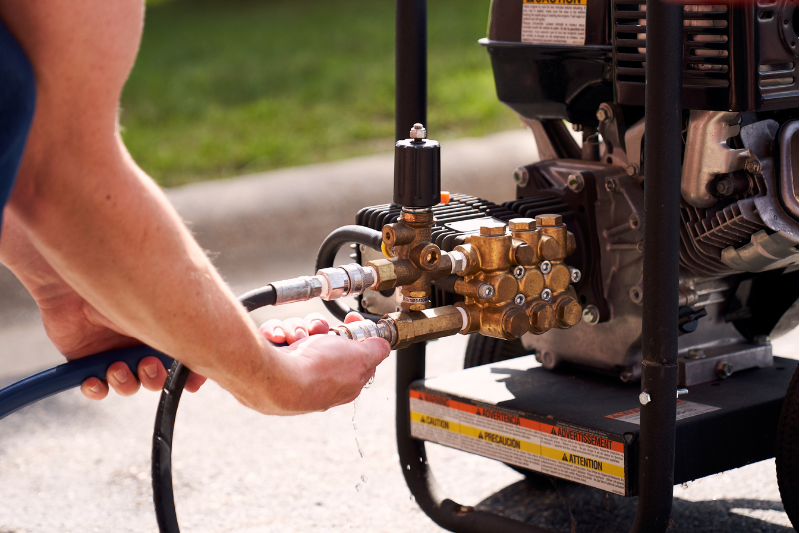
Low or inconsistent pressure often points to an unloader valve or check valves within the pump that are sticking or worn. Pumps depend on stable water supply and unrestricted inlet flow, so anything that limits incoming water can create pressure fluctuations. If you are troubleshooting this type of issue, checking your plumbing fittings and garden hose quick connects on the inlet side should be one of the first steps. Low quality or worn inlet fittings can leak, restrict flow, or allow minor air intrusion that leads to pump starvation. Upgrading to durable, properly machined garden hose quick connects and plumbing fittings ensures consistent supply flow and reduces unnecessary strain on the pump.
Another early symptom is an unusual knocking or grinding noise. This often points to cavitation, which happens when air enters the water supply and causes the pump to run dry in short bursts. Cavitation rapidly damages internal pump components and should be addressed immediately.
Using a high quality hose with a strong internal structure helps maintain consistent flow. Our 5/8" Blue Soft Wash Hose is a popular choice among contractors for supply applications because its construction helps prevent kinks and collapses that could contribute to cavitation.
Water leaks around the pump inlet or high pressure outlet should also be taken seriously. While some leaks result from worn o rings, others indicate that seals or packings inside the pump are beginning to fail.
Major Causes of Pump Failure
1. Lack of Water Flow
Insufficient water flow is one of the most common and damaging issues. When the pump does not receive enough water, it overheats and quickly wears out.
Common causes include a clogged inlet filter, restricted garden hose, undersized supply line, or leaking inlet connections. A restricted water source can also contribute to early pump wear. Always confirm that your water source produces enough flow for the GPM requirements of your machine.
Monitoring inlet plumbing fittings and garden hose quick connects is critical. Any restriction before the pump directly affects internal components.
2. Air Entering the System
Air entering the pump from the inlet side leads to cavitation. Even small pockets of air repeatedly striking the pump head create rapid internal stress.
If you suspect air in the line, purge the system by running water through the pump before starting the engine. Inspect inlet connections, supply hoses, filters, and strainers for leaks or loose fittings. Make sure all garden hose connections are tight and properly sealed.
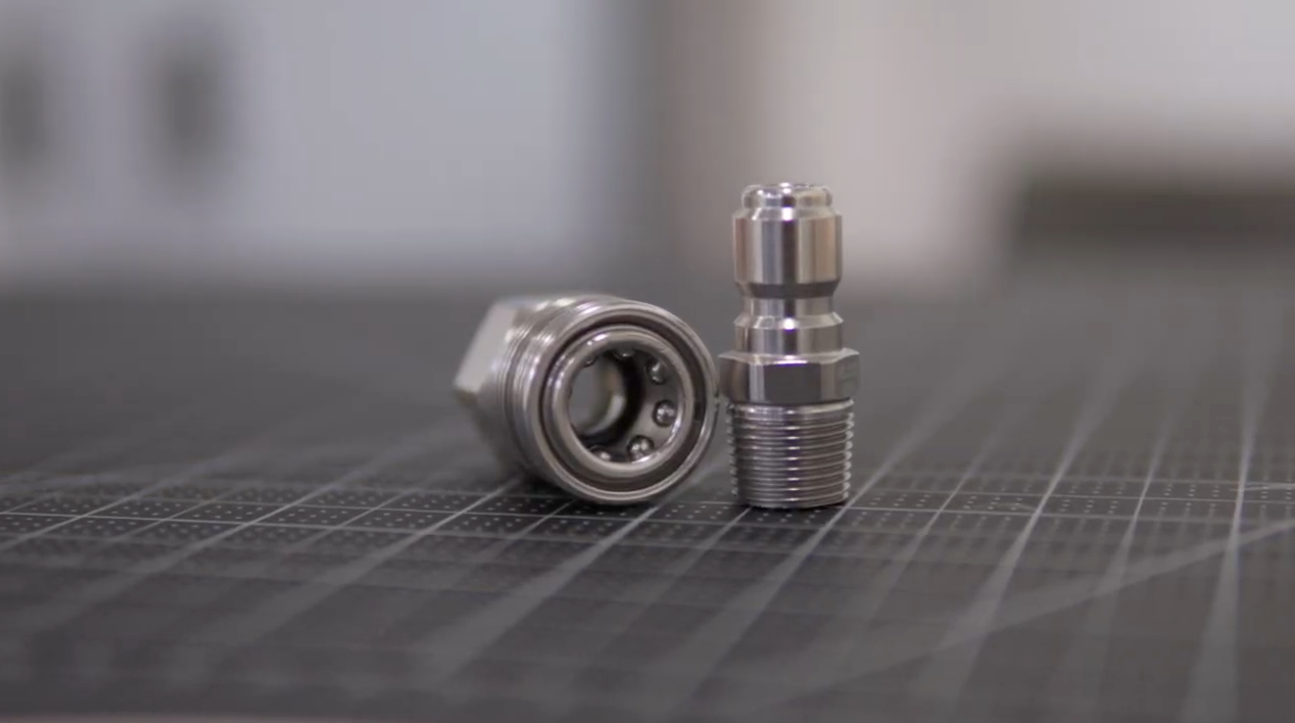
It is important to distinguish between inlet side air leaks and high pressure side leaks. Fittings and hoses on the high pressure side, such as Prima Stainless Steel fittings and KobraJet high pressure hoses, do not introduce air into the pump. However, if high pressure fittings leak after the pump, they can cause the system to lose pressure. This may cause the pump to cycle erratically as it attempts to maintain the desired PSI setting at the unloader. Over time, erratic cycling increases wear on internal components.
Maintaining secure, leak free connections on both the inlet and high pressure sides protects the entire system.
3. Overheating During Bypass
Leaving a pressure washer running while the trigger is released forces water into bypass mode. In bypass, water constantly circulates within the pump and heats very quickly.
Extended periods in bypass can cause thermal damage to seals and internal components. A thermal relief valve may help manage temperature, but the best preventive measure is proper workflow management. When you take breaks longer than a minute, shut down the machine.
4. Incorrect or Dirty Oil
Pump oil lubricates internal components and must stay clean and at the proper level. Dirty or contaminated oil indicates internal wear or possible water intrusion. Ignoring these signs can result in bearing failure and major pump damage.
Check oil regularly and follow the manufacturer’s schedule for changes. Many operators add this step to their weekly maintenance routine along with inspecting unloaders, plumbing fittings, hoses, and spray guns.
5. Worn or Damaged Seals
Seals and packings inside the pump eventually wear down under normal use. Once worn, they allow water to leak into areas that should remain dry, which can damage bearings and crankcase components.
Replacing seals at the first sign of leakage can significantly extend pump lifespan. If you are comfortable with mechanical work, a seal kit and proper tools can help you perform this repair. If not, scheduling professional service early can prevent more extensive damage.
Preventive Measures That Protect Your Pump
The best approach to pump health is consistent preventive maintenance. High quality supply hoses, durable inlet plumbing fittings, and properly maintained high pressure components all work together to protect the pump by ensuring smooth flow and reduced system stress.
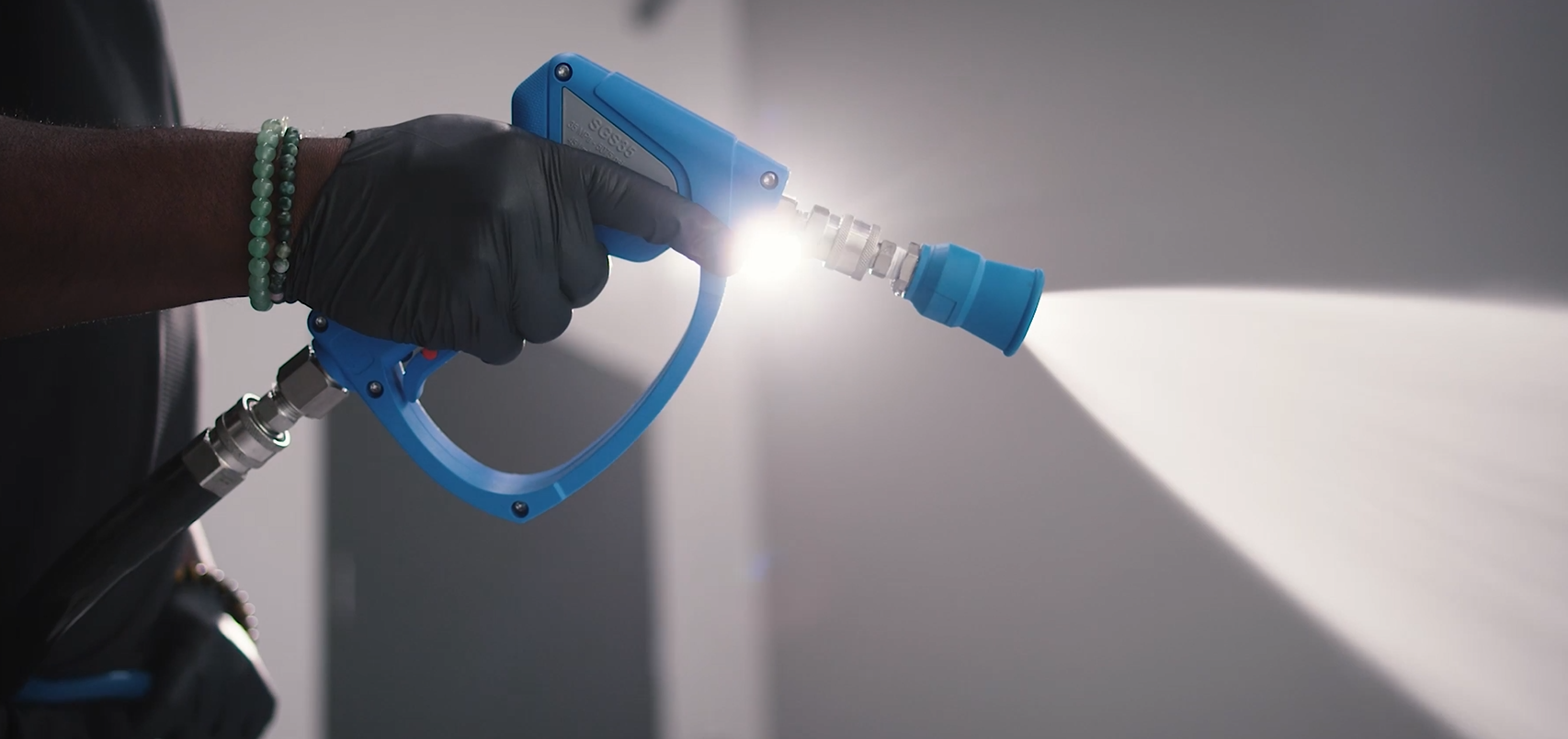
Spray guns that offer smooth trigger engagement help reduce hydraulic shock within the system. The SGS35 and SG28 series, which include installed quick connects, are strong choices for maintaining consistent pressure delivery and operator comfort. On the high pressure side, KobraJet hoses and Prima Stainless Steel fittings provide reliable sealing and long term durability, reducing pressure loss and erratic cycling.
Routine cleaning of inlet filters, checking for leaks, ensuring your water supply meets flow requirements, and changing oil on time all contribute to a healthier pump. Good maintenance extends pump lifespan, improves machine performance, and helps you avoid expensive downtime.
Conclusion
Pump failure often results from small issues that build up over time. Understanding the main causes and addressing symptoms early can save you from major repair costs. By paying close attention to inlet plumbing fittings, maintaining adequate water supply, and ensuring high pressure components such as KobraJet hoses and Prima Stainless Steel fittings are leak free, you can keep your pressure washer running confidently for many years.