

Eco-Friendly Pressure Washing: 8 Tips to Save Water & Clean Green
Is your pressure washing setups using more water and chemical than needed? With a few smart adjustments to nozzles, mix ratios, and the way we rinse, we can cut consumption significantly without sacrificing results. Here's...
Is your pressure washing setups using more water and chemical than needed? With a few smart adjustments to nozzles, mix ratios, and the way we rinse, we can cut consumption significantly without sacrificing results. Here's how to wash cleaner, greener, and more efficiently this season.
Earth Day is a good reminder that the way we work has an environmental footprint, and pressure washing is no exception. A standard gas-powered pressure washer can burn through 2–4 gallons of water per minute. Multiply that across a full day of jobs, and the numbers add up fast. Add chemical runoff into the equation, and there's a real case for cleaning up how we clean.
The good news: going greener doesn't mean going slower or getting worse results. These eight tips apply whether you're running a soft wash rig, a pressure washing trailer, or detailing vehicles, and most of them cost nothing to implement beyond a few adjustments to your current setup.
1. Match your nozzle to the job (don't default to wide open)
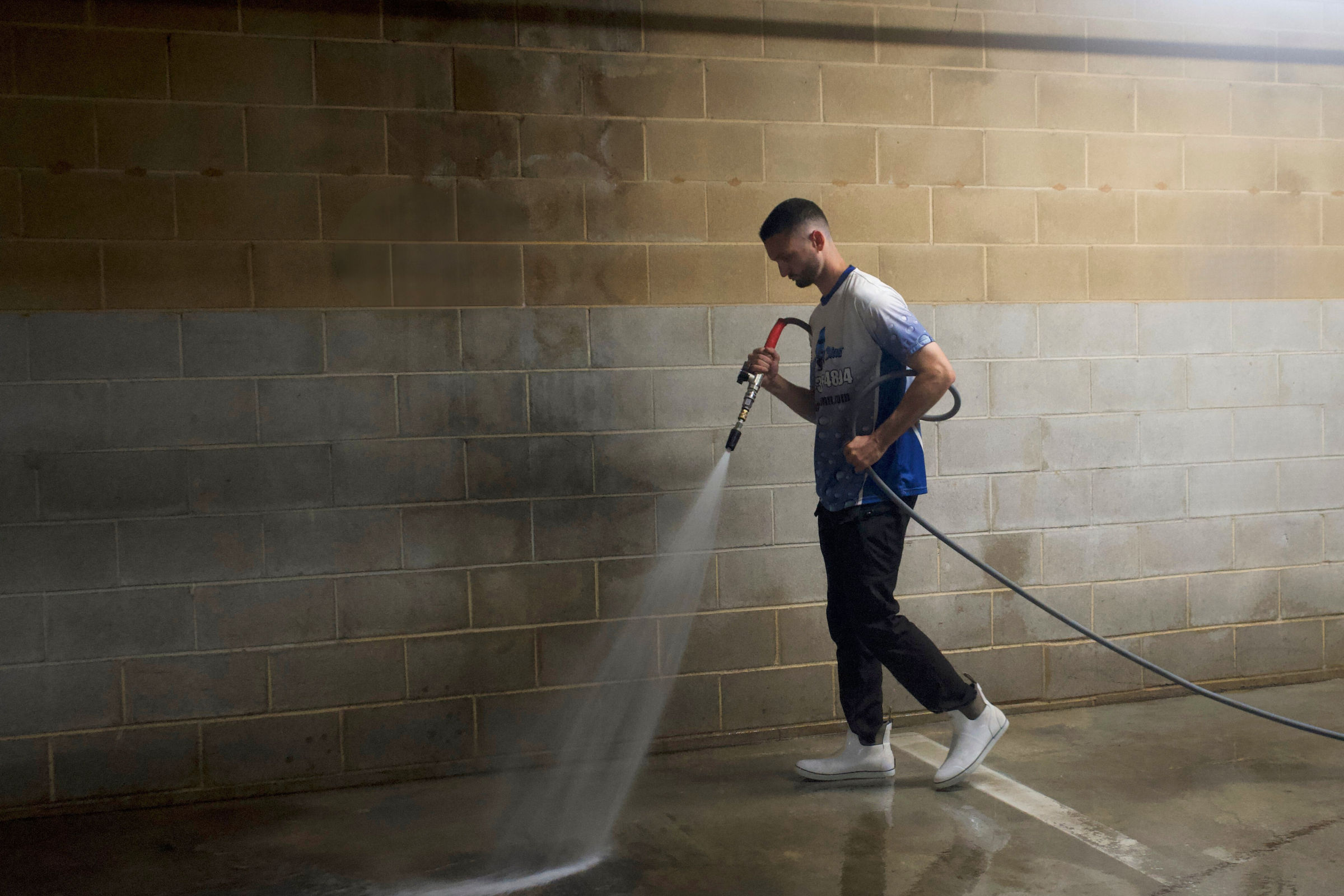
One of the biggest sources of water waste in pressure washing is using a wider fan angle than the job actually needs. A wider spray distributes water over a larger area than your target surface, meaning a significant portion of every trigger pull is hitting pavement, landscaping, or air. Selecting a nozzle with the right angle and orifice size for the specific task, like siding, roof, vehicle, or concrete, keeps water where it belongs and reduces total consumption per job.
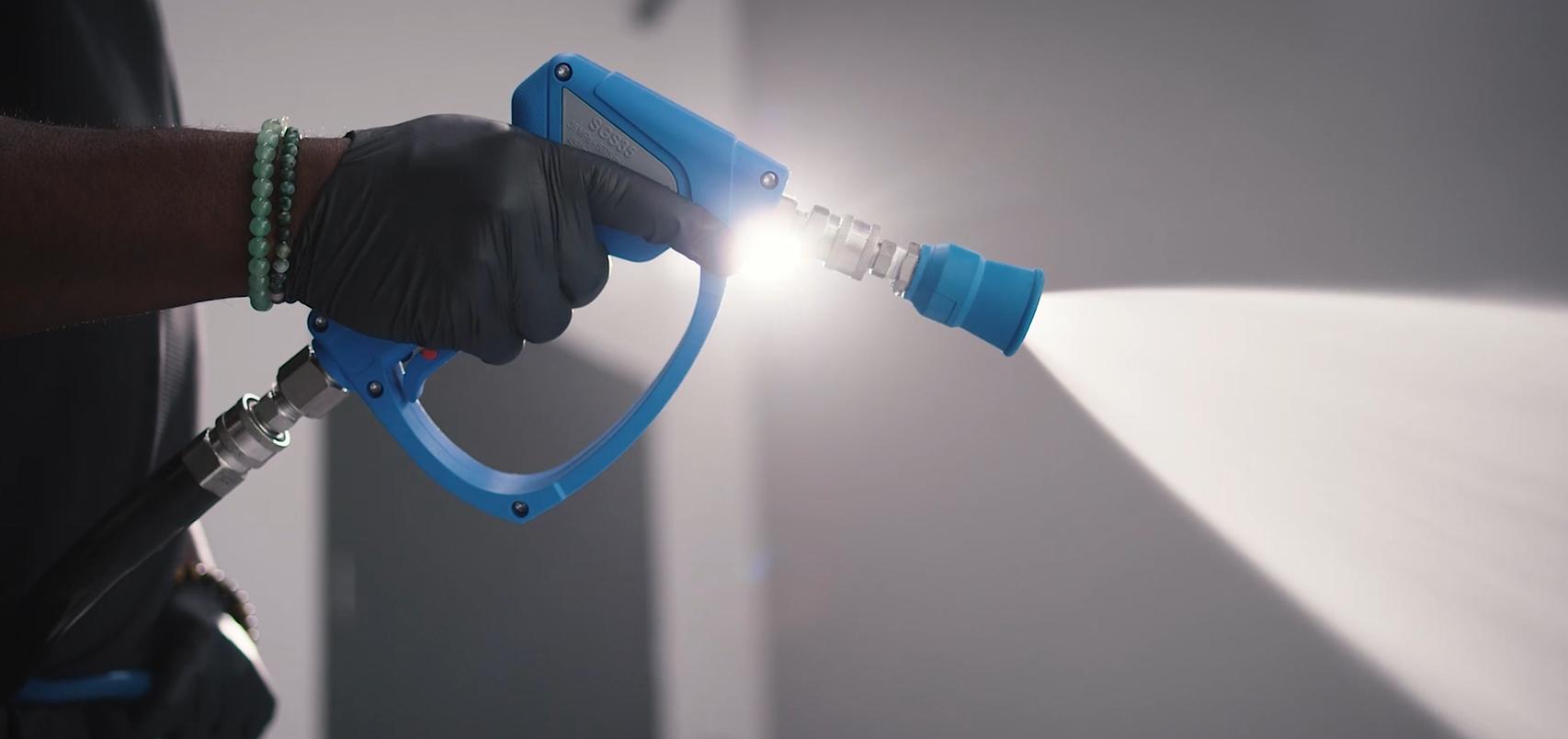
Precision-machined nozzles like those in the Veloci lineup maintain consistent orifice sizing over time, which means less drift in your flow rate and less guesswork when dialing in the right tip for each application.
2. Use a downstream injector to reduce chemical volume
Upstream chemical application (mixing before the pump) uses more product and is harder to control. Downstream injection (mixing after the pump) lets you apply chemical only when you need it, switch to rinse instantly, and dial in your mix ratio with precision. Tighter control over application means less chemical hitting surfaces that don't need it and less runoff reaching storm drains and landscaping.
3. Pre-wet surfaces before applying cleaning solution
Pre-wetting a surface before applying your soap or SH mix does two things: it keeps the chemical from drying out before it can dwell, and it reduces the total volume of solution needed to achieve coverage. This is especially relevant in warm weather, a common time for Earth Day-season jobs, when surfaces heat up quickly and chemical evaporates faster than it can work.
Pro tip: On hot days, work in sections and pre-wet each section just before you apply chemical. You'll use less product and get more consistent dwell time across the entire surface.
4. Choose biodegradable, pH-neutral soaps where possible
Not every job requires sodium hypochlorite. For general surface washing, vehicle detailing, and light organic buildup, a biodegradable pH-neutral soap is often enough, and it's dramatically better for the surrounding environment. Bleach-based mixes are the right call for killing algae, mold, and mildew on roofs and siding, but defaulting to SH for every job is unnecessary.
5. Capture and contain runoff on sensitive jobs
On fleet washing, detailing, or jobs near storm drains and water features, contain your runoff rather than letting it sheet across the lot. Absorbent berms, drain covers, and wet vacuums used during the rinse phase can significantly reduce the volume of chemical-laden water entering storm systems. In many municipalities, it's not just good practice, it's required.
6. Use a surface cleaner instead of a wand on flat work
Flat surface cleaners are dramatically more efficient than a wand for concrete, driveways, and parking areas. They cover more surface area per pass, reduce overspray, and cut the time (and water) spent on a given section by 30–50% compared to wand work. Less time running water equals less consumption.
If you're still wanding flat work, a quality surface cleaner pays for itself quickly in time and water savings. Check the HydroJet EZ Glide Surface Cleaner collection for options that fit your existing setup without a full equipment overhaul.
7. Rinse smarter: use a low-volume rinse nozzle
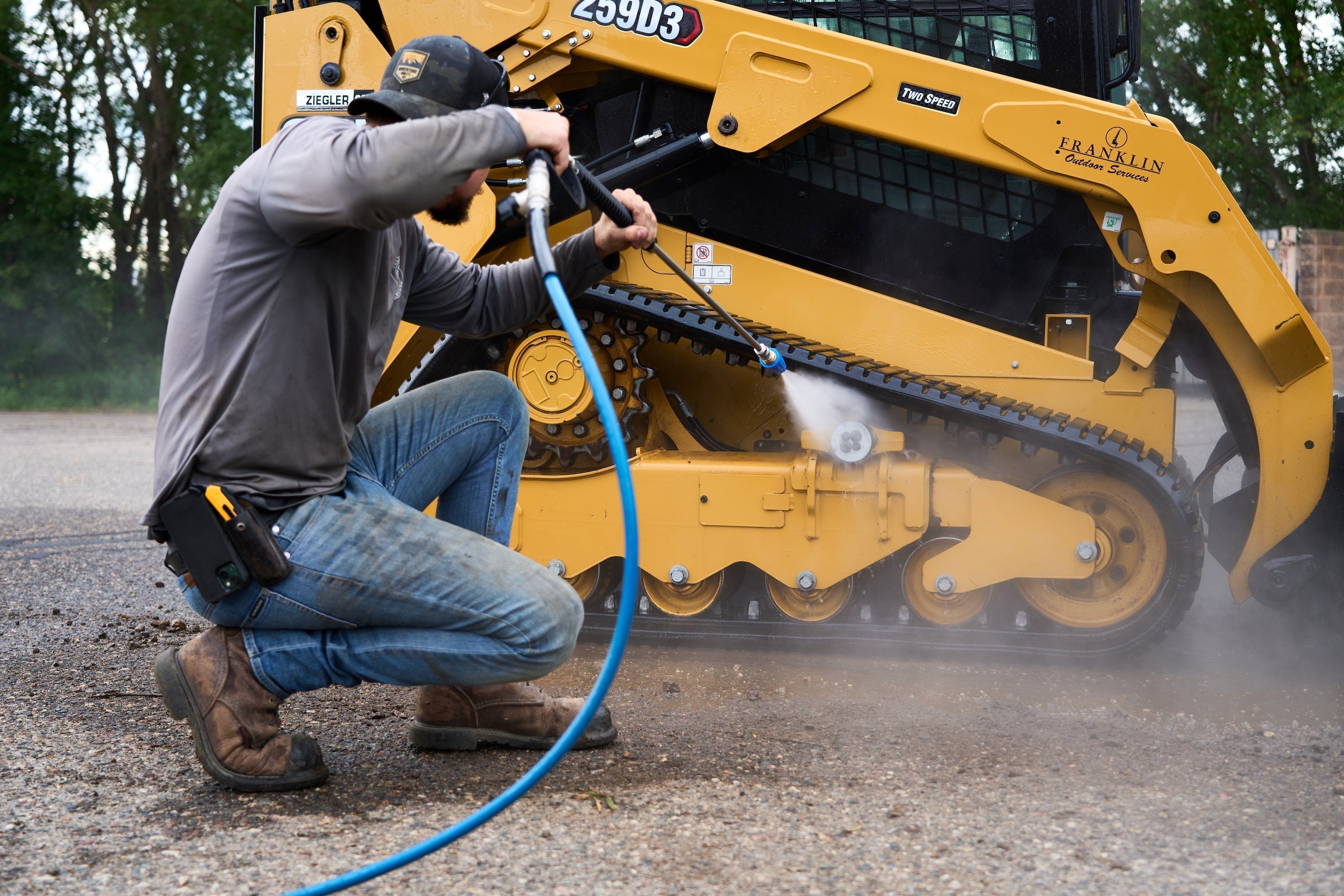
The rinse phase is where most operators leave the trigger pulled longer than necessary. A dedicated low-volume rinse nozzle (rather than the same tip used for washing) lets you clear chemical residue efficiently without flooding the surface. On soft wash jobs especially, the rinse doesn't need to be high-volume, it just needs to be thorough and well-directed.
8. Maintain your equipment to prevent waste
Worn seals, loose fittings, and degraded hose connections bleed water constantly, often without the operator noticing until the pump starts cycling. A leaking system wastes water, throws off your chemical ratios, and puts unnecessary strain on your equipment. A quick pre-job inspection of connections, O-rings, and nozzle condition takes five minutes and saves gallons per job.
Earth Day habit to build: Do a full equipment audit this week. Check every fitting, nozzle, and hose connection. Replacing worn components now is one of the easiest, lowest-cost things you can do to reduce waste this season.
Small changes, real impact
None of these tips require a new rig or a complete overhaul of how you work. Matched nozzles, smarter chemical application, and a cleaner rinse process are adjustments any operator can make this week. The result is less water used, less chemical in the environment, and lower operating costs per job.
For nozzles, surface cleaners, and accessories built for precision and efficiency, visit MTM Hydro Parts and browse the full Veloci lineup.